UK Coastal Seafood Seasonality Calendar: What to Eat Month by Month
The British coast keeps its own calendar. Fishmongers in Newlyn, Whitby and Oban do not fill their slabs by what looks good in a cookbook; they fill them with whatever the boats have landed that morning, and that shifts week by week. Learn the rhythm and you eat better: fatter mackerel, firmer scallops, crabmeat that tastes of the sea rather than the chiller cabinet.
What follows is a rough guide to the year, not a rulebook. Weather, quotas and local bylaws all move the dates about, and the farther north you go, the later everything runs.
Spring: March to May
This is the quiet, underrated stretch. Native oysters finish in April at the end of their traditional season (the old rule was any month with an R in it), and mussels are still plump from winter before they spawn. Plaice and lemon sole are at their best. So is line-caught hake, a fish that has gone from an afterthought to a Cornish staple.
By late April the shellfish start to move. Brown crab becomes easier to find, and in the south-west the spider crab run arrives, sweet and cheap and best eaten simply with bread. Bream appear in the Channel, sea trout turn up in west-country estuaries, and whelks finish their season. If you fish for sea bass yourself, note that management measures apply and have changed more than once in recent years, so check the current rules before you head out.
Summer: June to August
Mackerel defines the British summer. Nothing beats one hooked off a pier in Cornwall or Northumberland and cooked within the hour. The flesh is at its fattest from late June through September, when the fish are feeding hard.
Around the coast, this is the season of plenty and of patience. Sardines and pilchards arrive off Cornwall, red mullet and cuttlefish show up in the Channel, and squid is plentiful from late summer. Lobster and crab land in quantity, though be aware that lobsters moult in the warm months, which means soft shells and slightly looser meat; the firm, hard-shelled ones come later.
Two cautions. Native oysters drop off menus from May to August because they are spawning, though farmed Pacific oysters are sold year-round. And mussels thin out in summer for the same reason. Order them anyway if you like, but the autumn versions are better.
Autumn: September to November
Arguably the best eating months of the year. Herring returns: the great autumn fish, traditionally fished off East Anglia and down the Scottish west coast, superb split and grilled or turned into kippers. Native oysters come back onto menus, mussels fatten up again, and scallops start to taste of something.
Dover sole, brill, turbot and monkfish are all at their peak as the water cools. By November, once the first cold snap arrives, the sprats appear. A plate of fried sprats with lemon in a pub in Leigh-on-Sea is one of the great British coastal meals.
Winter: December to February
Cold-water fish, cold-water flavour. Cod and haddock are the obvious ones, and whiting is the bargain of the season. Mussels are at their absolute best now. Cockles, winkles and oysters are all in good order, and hard-shelled lobsters give the sweetest meat of the year.
Look for winter hake, plaice before it spawns, and whatever the day boats bring in — January often produces the most interesting boxes of the year because the weather keeps the big boats in harbour and the small ones close to shore.
How to buy well, whatever the month
Seasonality only helps if the fish is fresh and caught responsibly. A few habits make the difference:
- Ask what came in today. A good fishmonger will tell you, and will happily say when something is not worth buying.
- Look for harbour day boats. Shops and stalls that buy from small inshore boats usually know exactly where the fish came from and how it was caught.
- Check the label or ask. The MSC blue label and the Marine Conservation Society's Good Fish Guide are useful starting points. Ratings change as stocks recover or decline, so check the current version rather than relying on memory.
- Buy whole where you can. It is cheaper, it tells you more about freshness — clear eyes, firm flesh, a clean sea smell — and the bones make stock.
- Ask about spawning fish. Fish caught just before or during spawning is often thinner. That is the whole point of eating by season.
- Cook it simply the first time. Butter, lemon, parsley, a hot pan. You cannot taste the season through a heavy sauce.
Eating it by the sea
The best coastal dining is usually the least fussy. Find a pub or shack within sight of the harbour, go at lunchtime on a weekday if you can, and order whatever the board says was landed locally. Ask the staff which fish came off the boat that morning. In places like Padstow, Mallaig, Brixham and Whitstable, that question is rarely met with a blank look.
If you are self-catering, buy from the quayside the same day and cook it that evening. A bag of mussels, a chopped onion, a splash of cider and a lid for five minutes is a better holiday meal than most restaurants will manage.
A simple habit for the year ahead
You do not need to memorise a chart. Just do this: once a month, ask your fishmonger what is in season and buy that, even if it is something you have not cooked before. Try one new species each season. Eat oysters between September and April, mussels in the colder months, mackerel in high summer. Then let the weather, the tides and the boats fill in the rest.
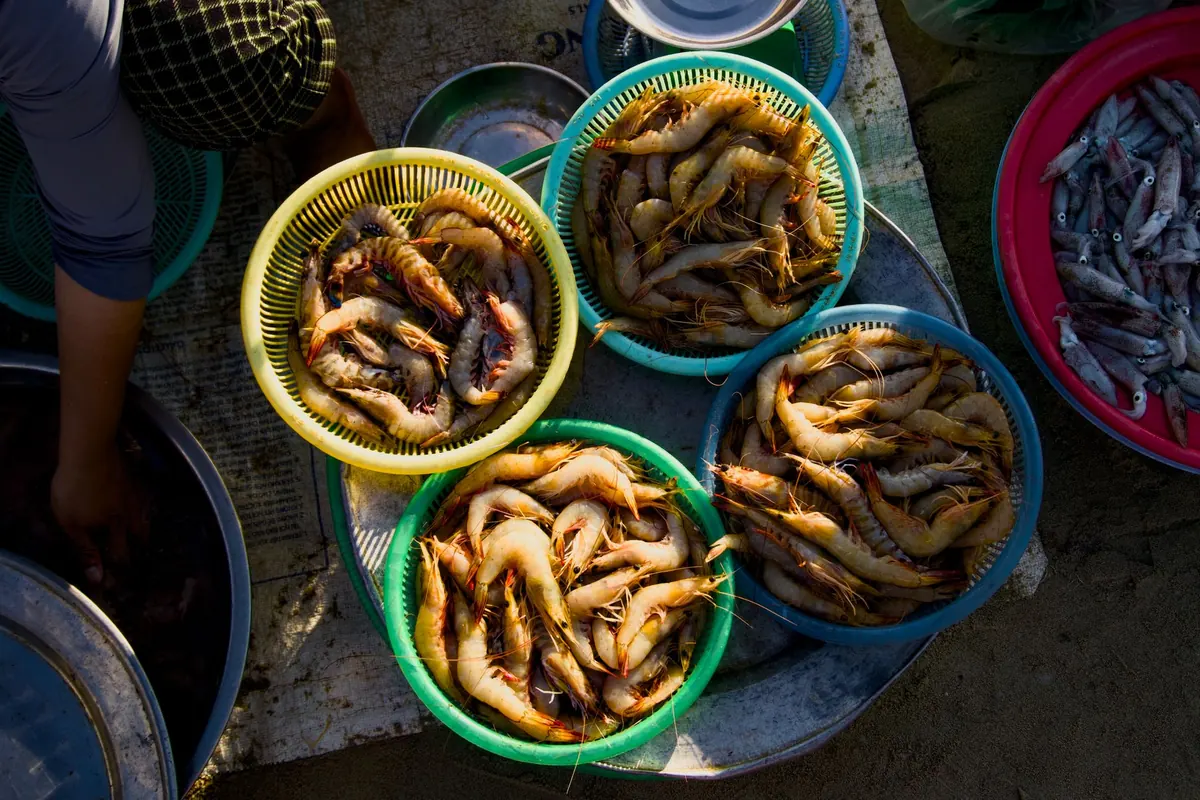
Photo: Tuan Vy / Pexels