Best UK Storm Watching Spots for Winter: Viewpoints, Parking and Safety
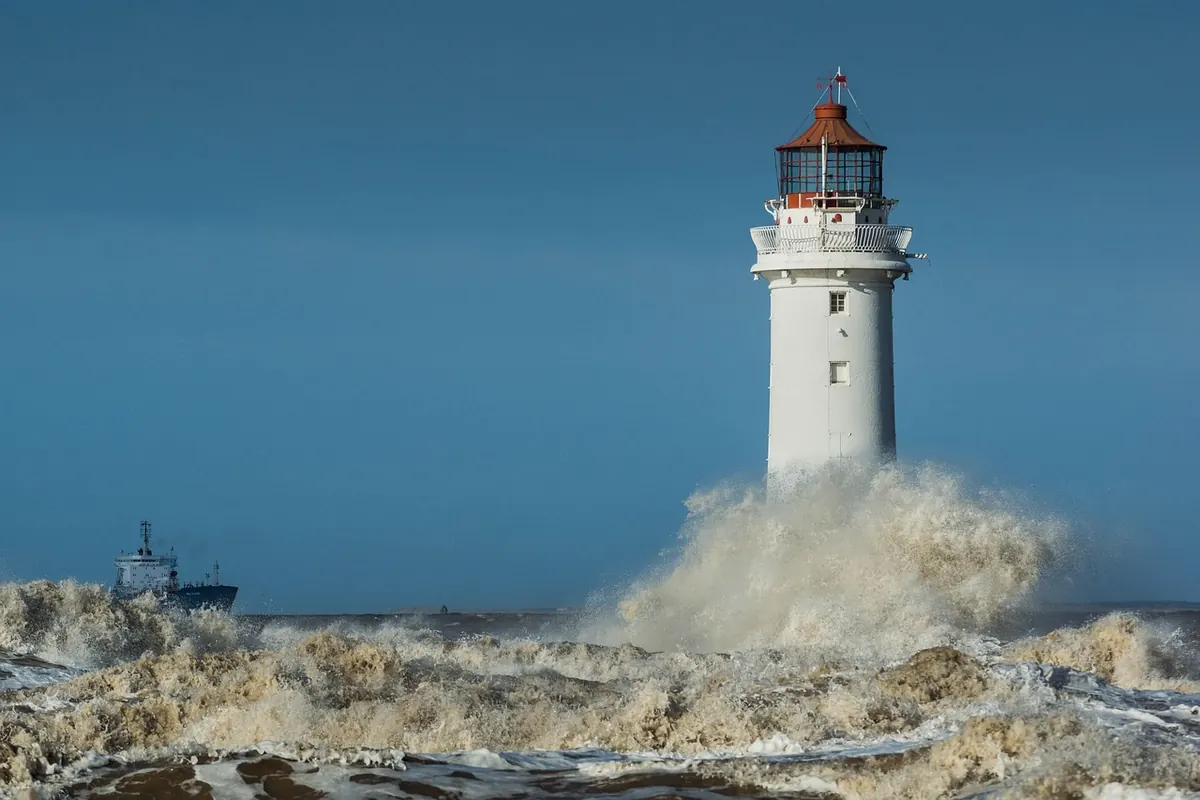
There is a particular sound a big sea makes when it hits a harbour wall: a flat crack, then a hiss as the spray comes over the top and runs down the road behind. Winter serves that up for nothing along hundreds of miles of British coast, and you do not need specialist kit to enjoy it. What you do need is a decent viewpoint, somewhere sensible to leave the car, and enough respect for the water to stay well back.
The places below pair a genuinely big sea with access that still works in foul weather. All of them can be watched from a promenade, a clifftop or the sheltered side of a harbour. None require you to scramble onto wet rocks in a force nine.
What Makes a Good Storm Watching Spot
Not every dramatic-looking bay delivers when the wind swings round. A few things do most of the work.
- Fetch: the more open sea the wind crosses before it reaches you, the bigger the swell. South-westerly swells light up south and west-facing coasts; easterlies favour the North Sea side.
- A hard barrier: railings, a sea wall, a clifftop path. Something solid between you and the water, and a surface your feet will grip.
- Height: ten or fifteen metres above sea level turns a frightening sea into a spectacle.
- Safe parking: harbour-level car parks flood during a surge on a high spring tide. Uphill is better.
- A way to escape: somewhere open on foot — a pub, a café, a bus shelter — for when the rain turns horizontal.
Wind direction matters more than wind speed. A north-facing cove looks calm in a south-westerly gale, while an exposed west-facing promenade can be spectacular in a moderate one. Check which way the coast faces before you choose where to drive.
Cornwall and the South West
Porthleven is the best-known storm-watching harbour in Britain, and it earns the reputation. A south-westerly swell meets the harbour wall and the Bickford-Smith Institute, throwing spray over the roofs behind. Watch from the higher ground of the town or from behind the railings, never from the harbour head. The car parks nearest the water can take on water in a surge; the ones uphill in the town stay dry.
Sennen Cove, near Land's End, gives you a long view back across the bay from the cliff road above the village. The beach-level car park is exactly where you should not leave a car in a storm, so use the higher parking and walk down. Further north, Hartland Quay in Devon is a small, bleak, brilliant spot where the Atlantic hits a narrow inlet. The car park sits right on the front — park facing inland and be ready to move.
In Dorset, Portland Bill offers pay-and-display parking, a lighthouse and a very serious sea running over the ledges. Stay on the paths around the point. The rocks are slippery when wet and the spray reaches further than it looks.
Wales: Big Water, Easy Access
Aberystwyth promenade is the most accessible storm watch in Wales. Waves break over the sea wall and land on the road, which is why barriers go up and the promenade is sometimes closed during a big tide. That closure is not an inconvenience to work around: it is the local authority telling you where the water goes. Watch from behind the closed section, or from the higher ground at the castle end.
Porthcawl has a long sea front, several car parks set back from the water, and a reliable swell running up the Bristol Channel. Rest Bay and the front at Sandy Bay both work well in a westerly, with the bonus that you are never far from a warm café. On the Gower, the clifftop above Rhossili gives you height and space, though the National Trust car park fills early on a bright winter weekend.
North East England and Yorkshire
An easterly or northerly gale transforms this coast, and the infrastructure helps.
Tynemouth is the pick. The sea breaks over the Black Middens rocks at the mouth of the Tyne, and you can watch from the clifftop by the priory or the promenade without ever being in the firing line. Parking around Front Street and the seafront fills quickly once a storm is forecast.
Whitby gives you a proper harbour spectacle from West Cliff, with the abbey on the far side and the piers taking the worst of it. The piers themselves are closed in bad weather, rightly so. Filey Brigg has a clifftop car park and a long, low limestone spur that throws spray high in a northerly. In Scarborough, Marine Drive is often shut during storms; treat that as useful information rather than an obstacle.
Scotland: Space, Wind and Big Skies
Scotland's advantage is that you can often have a big sea entirely to yourself.
Bow Fiddle Rock at Portknockie, on the Moray coast, is a natural arch that takes a northerly swell head-on. There is parking near the clifftop and a short, easy path down. Nearby Lossiemouth has a long seafront and car parks set back from the beach, which makes it a forgiving option on a wet afternoon.
Crovie in Aberdeenshire is one of the most dramatic settings
Photo: Nowaja / Pixabay